
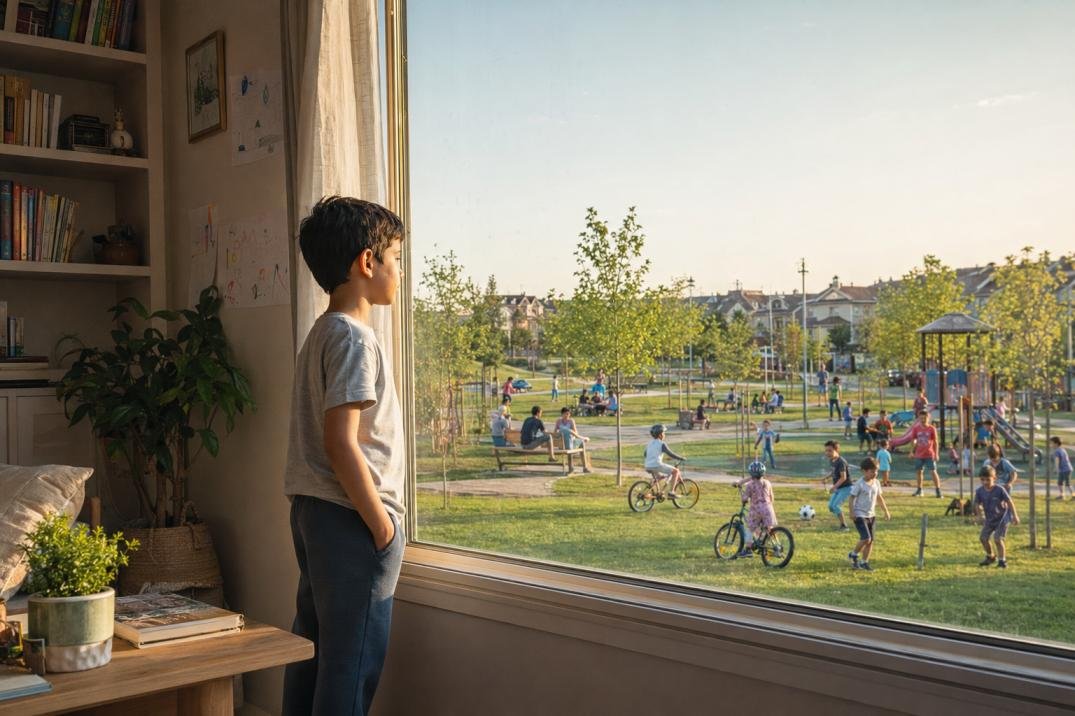
Questions in Every Muslim Mom's Mind
Do homeschooled Muslim children become socially awkward?
No. Research consistently shows homeschooled children can develop social skills equal to — or better than — their traditionally schooled peers, as long as they have regular opportunities to interact with others.
Reference: NHERI — Homeschooled Children's Social Skills
Will my child have friends?
Yes. Muslim homeschoolers often build friendships through homeschool groups, masjids, sports clubs, community activities, volunteering, and family networks.
Is homeschooling enough on its own?
No. Parents should intentionally create opportunities for their children to build friendships and interact with people of different ages.
Should Muslim children have non-Muslim friends?
Yes. Islam encourages kindness, respect, and good character toward everyone — while also encouraging Muslims to choose close companions who positively influence their faith and character.
Is bullying a good reason to homeschool?
It can be one reason, but it shouldn't be the only one. Homeschooling works best when it's chosen because it offers the best educational and personal environment for your child.
What Does Socialization Really Mean?
Many people define socialization as simply "being around lots of children." That isn't true. Real socialization is the ability to build relationships and function well within a community — a set of skills, not a headcount.
Communicate
Speak respectfully and listen well.
Build Friendships
Form healthy, lasting relationships.
Resolve Conflict
Handle disagreements calmly.
Show Empathy
Practice kindness and care.
Mix Across Ages
Work with people of all ages.
Grow Confident
Become a self-assured member of society.
A classroom is only one place where these skills develop. They are also learned at home, in the masjid, through sports, volunteering, neighborhood activities, family gatherings, and homeschool communities.
Do Homeschooled Muslim Children Become Shy or Isolated?
This is probably the biggest fear parents have. The answer depends less on homeschooling itself and more on how homeschooling is practiced.
A child who spends every day at home with no interaction outside the family may struggle socially. But a child who regularly joins community activities, visits the masjid, joins clubs, plays sports, volunteers, and spends time with friends often develops excellent social confidence.
Quality of Friends Over Quantity
One sincere friend can influence your child's future more than twenty casual acquaintances. In Islam, righteous companionship is considered one of the greatest blessings.
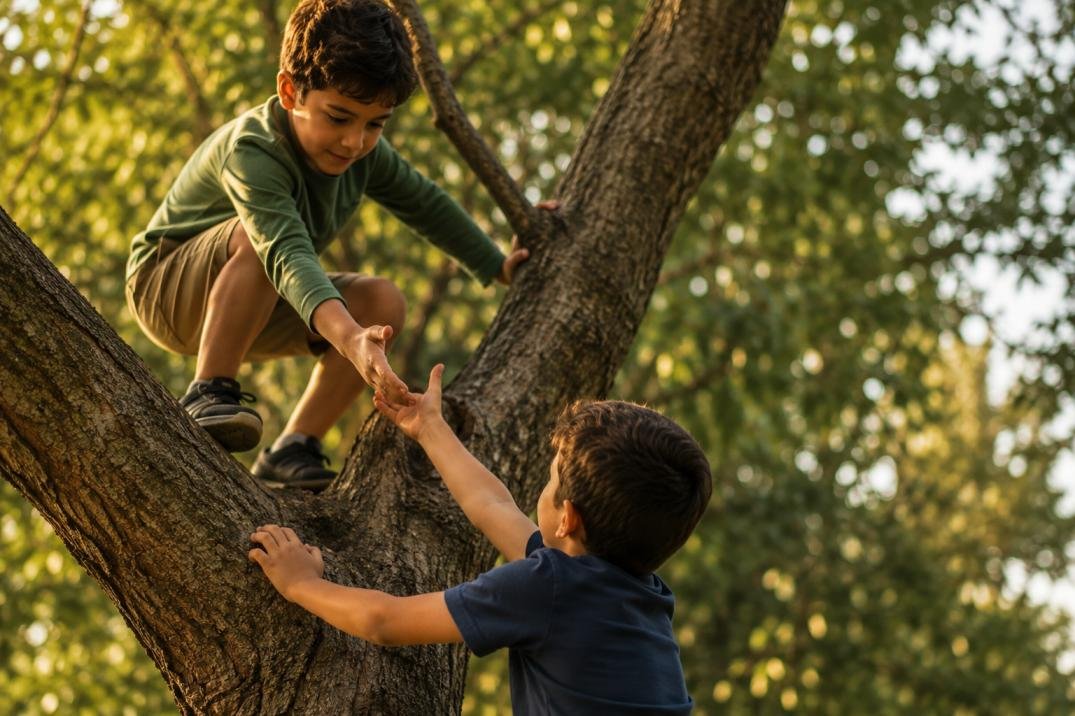
What Is a True Friend?
A true friend is someone who:
- Encourages good character.
- Supports your child during difficult times.
- Is honest.
- Respects boundaries.
- Inspires positive choices.
- Brings your child closer to what is right.
The Impact of the Wrong Friend
Children naturally imitate the people around them. An unhealthy friendship can lead to poor manners, negative language, risky behavior, lower confidence, a weakening of Islamic values, and emotional stress or anxiety.
The wrong friend doesn't always introduce dramatic problems. Sometimes they slowly normalize unhealthy habits until those habits become accepted.
Healthy vs. Unhealthy Friendships
Use this simple checklist to help your child recognize the difference:
| ✅ Healthy Friendship | ⚠️ Unhealthy Friendship |
|---|---|
| Mutual respect | Constant criticism |
| Encourages honesty | Encourages lying |
| Supports good choices | Pressures bad decisions |
| Listens with care | Uses or manipulates |
| Celebrates success | Creates jealousy |
| Makes your child feel safe | Makes your child feel anxious |
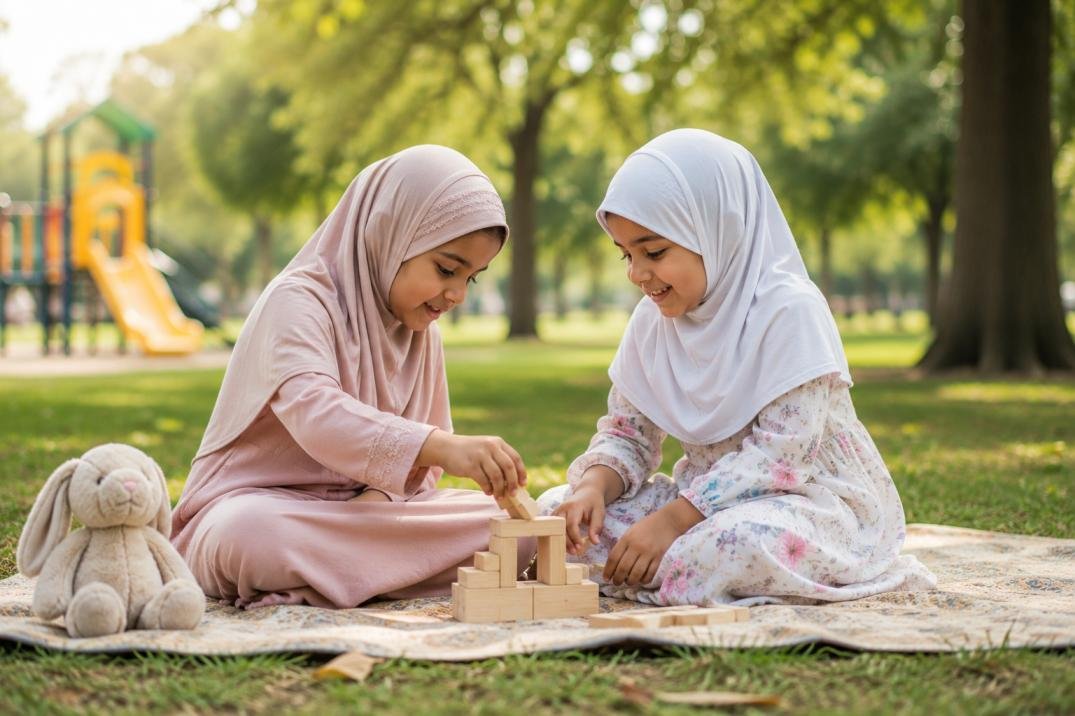
What Friends Can Offer That Parents Can't
Parents are irreplaceable — but friends provide experiences parents simply cannot. Good friends help children enjoy spending time together, practice teamwork, learn compromise, develop independence, build confidence around peers, and feel accepted by people their own age.
Healthy friendships also give children someone who is loyal, caring, willing to listen, fun to be around, and encouraging during challenges.
Be Careful: Don't Become Your Child's Entire World
One common homeschooling mistake is expecting parents to meet every emotional and social need.
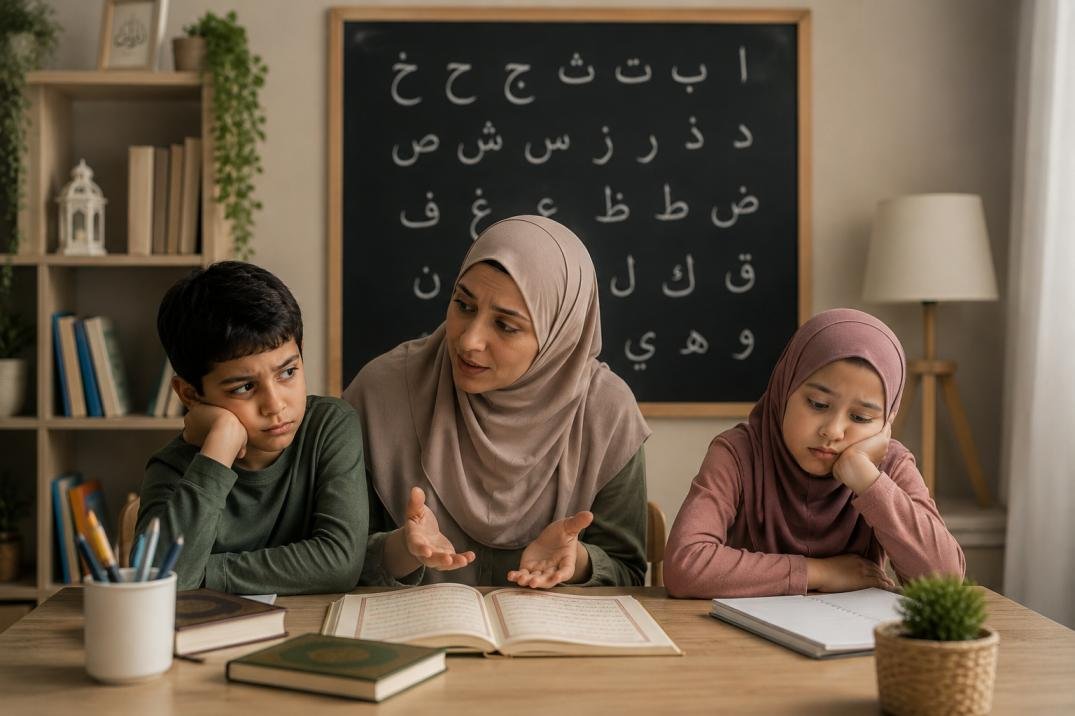
Children also need trusted adults, cousins, friends, mentors, coaches, and community members. A healthy homeschooling lifestyle expands your child's world instead of shrinking it.
The Solution: Intentional Socialization
Socialization doesn't happen by accident — it happens through consistent opportunities. Consider building a weekly routine that includes:
How Do Homeschooled Muslim Kids Make Friends?
Friendships usually develop naturally through shared activities. Muslim homeschool families most often connect through local masjids, homeschool support groups, Islamic classes, sports clubs, nature groups, community volunteering, Quran circles, and educational workshops.
Children who regularly attend these activities often build deep, long-lasting friendships.
Where Can I Find Muslim Homeschool Families Near Me?
Start by looking within your local Muslim community. Good places to look include:
- Your local masjid.
- Muslim homeschool Facebook groups.
- Community centers.
- Islamic schools with homeschool programs.
- Weekend Islamic classes.
- Local homeschool organizations.
- Parent WhatsApp groups.
Islamic Homeschooling Builds Small Social Skills Every Day
Social confidence isn't built through large crowds — it's built through daily habits. Teach your child to:
- Give salam confidently.
- Smile sincerely.
- Make eye contact.
- Listen before speaking.
- Thank others.
- Help younger children.
- Respect elders.
- Welcome new people.
These small skills create socially confident Muslims.
How Can I Teach My Child Confidence and Communication Skills?
Confidence grows through practice. Encourage your child to speak to shopkeepers politely, order their own food, ask respectful questions, participate in family discussions, give short presentations, volunteer at community events, and lead small projects at home.
Should Muslim Children Have Non-Muslim Friends?
Yes. Islam teaches kindness, justice, and respectful relationships with everyone. Non-Muslim friends can help children develop empathy, communication, and understanding. At the same time, parents should encourage close friendships with people who strengthen good character and support positive values.
The goal is not isolation. The goal is wise companionship.
Is Avoiding Bullying a Good Reason to Choose Islamic Homeschooling?
Bullying is a genuine concern for many families. If a child is experiencing repeated bullying, homeschooling may provide a safer environment while helping rebuild confidence.
However, homeschooling should be viewed as more than an escape. It is an opportunity to create an education that develops your child's faith, character, confidence, and love of learning.
Real Stories from Other Moms
Many Muslim mothers begin homeschooling with the same fear: "Will my child have enough friends?" A year later, many discover the opposite.
Their children have built meaningful friendships through the masjid, homeschool groups, sports, and community activities. They interact comfortably with both adults and children, gain confidence, and spend more time with friends who share positive values.
Every family's journey looks different, but one lesson remains the same: socialization is not about the number of people your child meets. It's about the quality of relationships they build and the character they develop through them.
How Can Zaid Academy Support Your Homeschooling Journey?
Homeschooling doesn't mean you have to teach every subject on your own. Many Muslim parents choose homeschooling because they want greater involvement in their child's education while still benefiting from qualified teachers for important Islamic subjects.
At Zaid Academy, we partner with homeschooling families by providing structured, one-to-one online Islamic education that fits around your family's schedule. Our Al-Azhar-certified teachers help children build a strong foundation in the Quran and Islamic knowledge while parents remain in control of their overall homeschooling journey.
Whether you're just starting or looking to strengthen your child's Islamic education, you can explore:
By combining homeschooling with expert Islamic instruction, you can create a balanced learning environment where your child grows academically, spiritually, and socially — all at a pace that suits your family.
Ready to strengthen your child's Islamic education?
Book a free trial class with an Al-Azhar-certified teacher today.
Book Your Free Trial Class